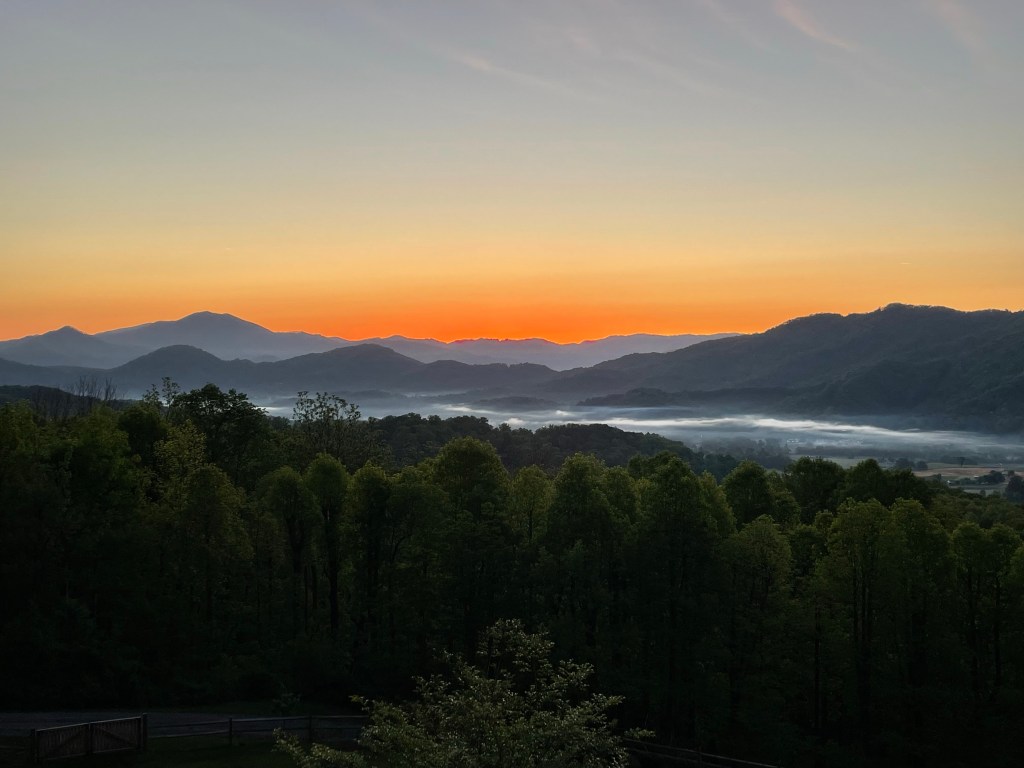
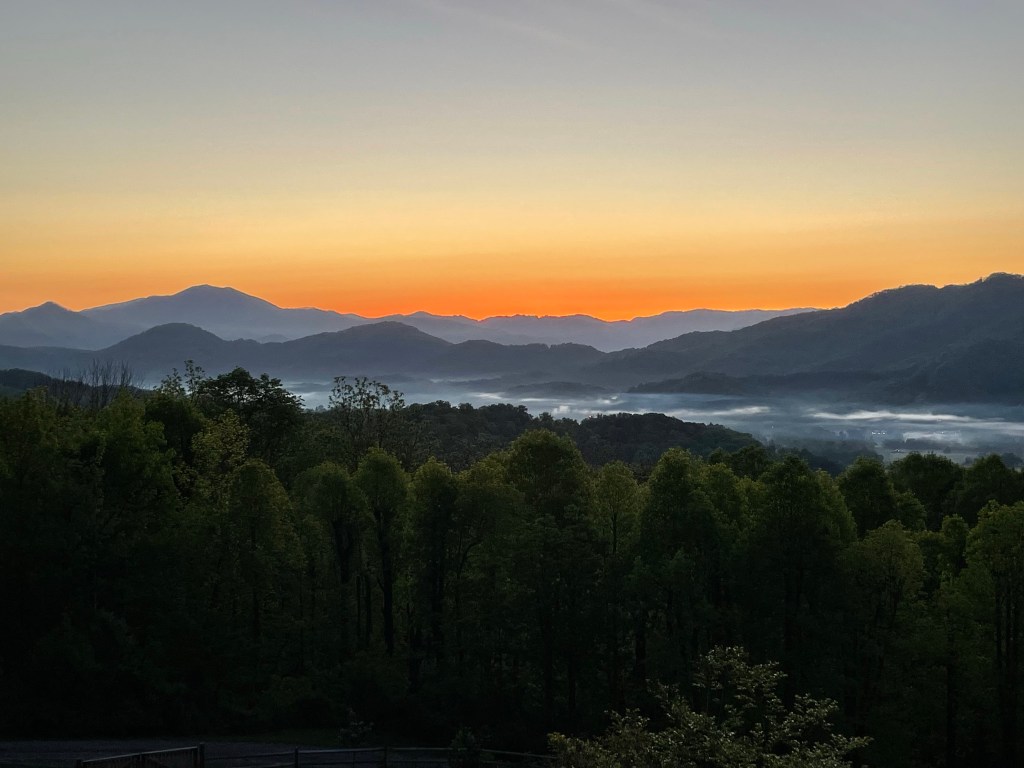
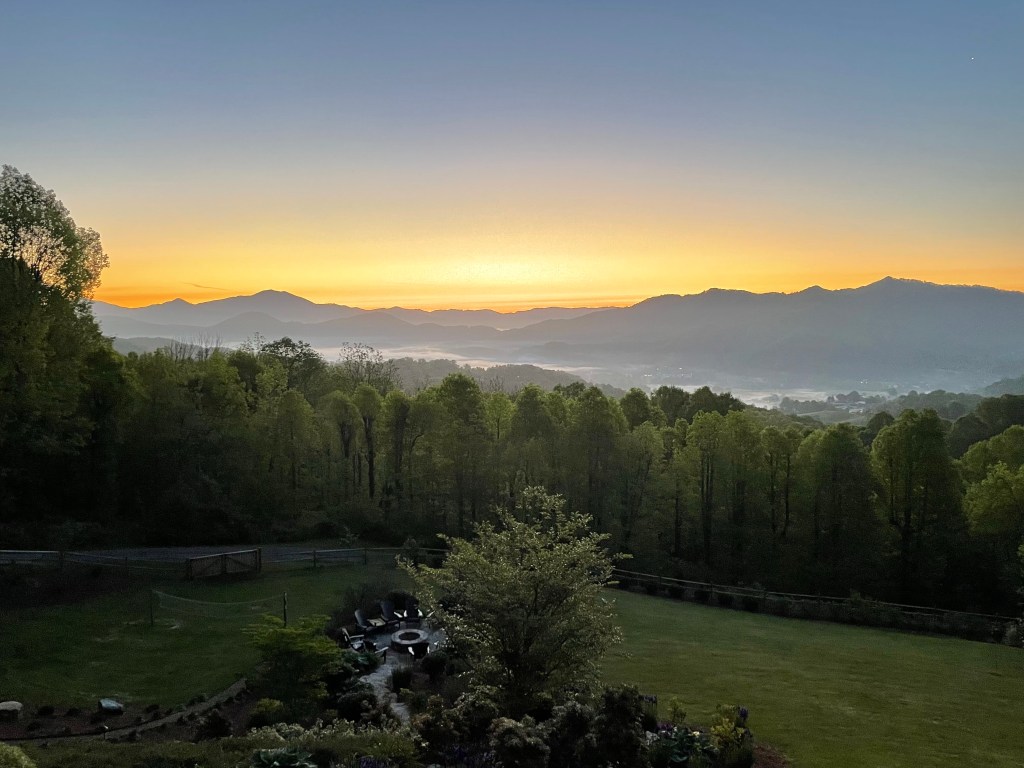
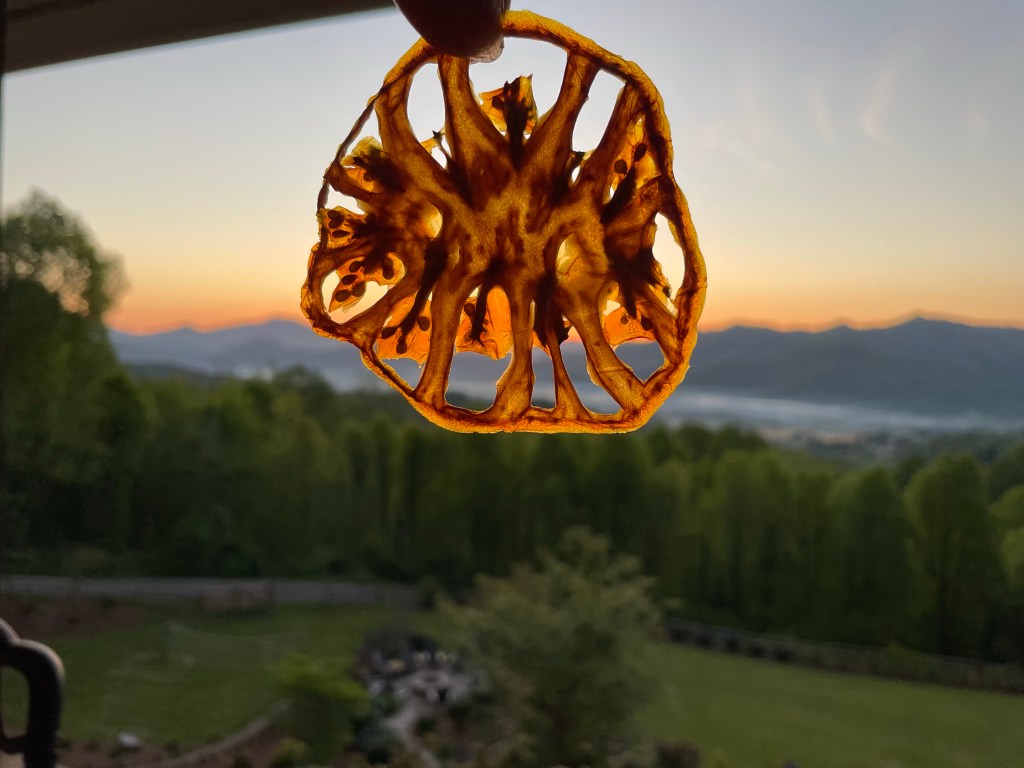
Wake up was 6am for a spectacular sunrise! It is so amazing that it is unbelievable! These photos are not touched at all!

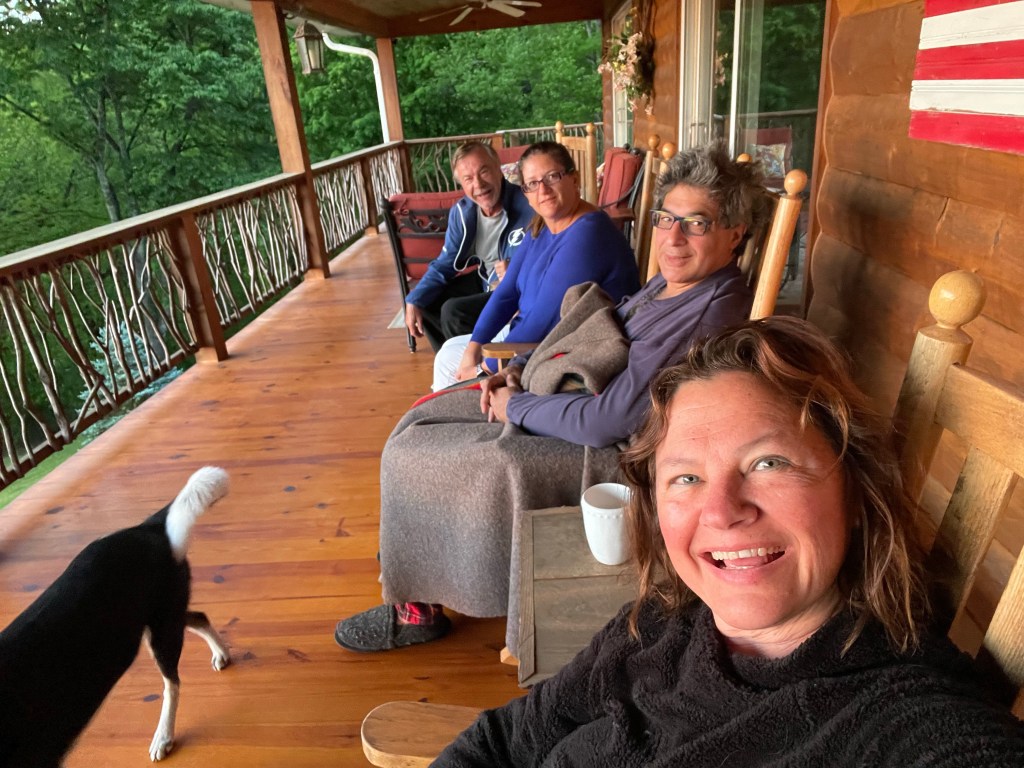
Today we decided to take a drive up the mountain and check out some spectacular views, look for elk and check out the camp grounds that the men will be camping at in August.
The entrance road to Cataloochee Valley is a winding, gravel road that has some steep drop offs and I saw no guard rails. The road is narrow, so Fadi used 4 wheel drive and had to stop or back up a few times to allow oncoming vehicles to pass. Horse trailer traffic was kinda crazy on this road. But we figured out why later as there are several bridal paths for them to use.
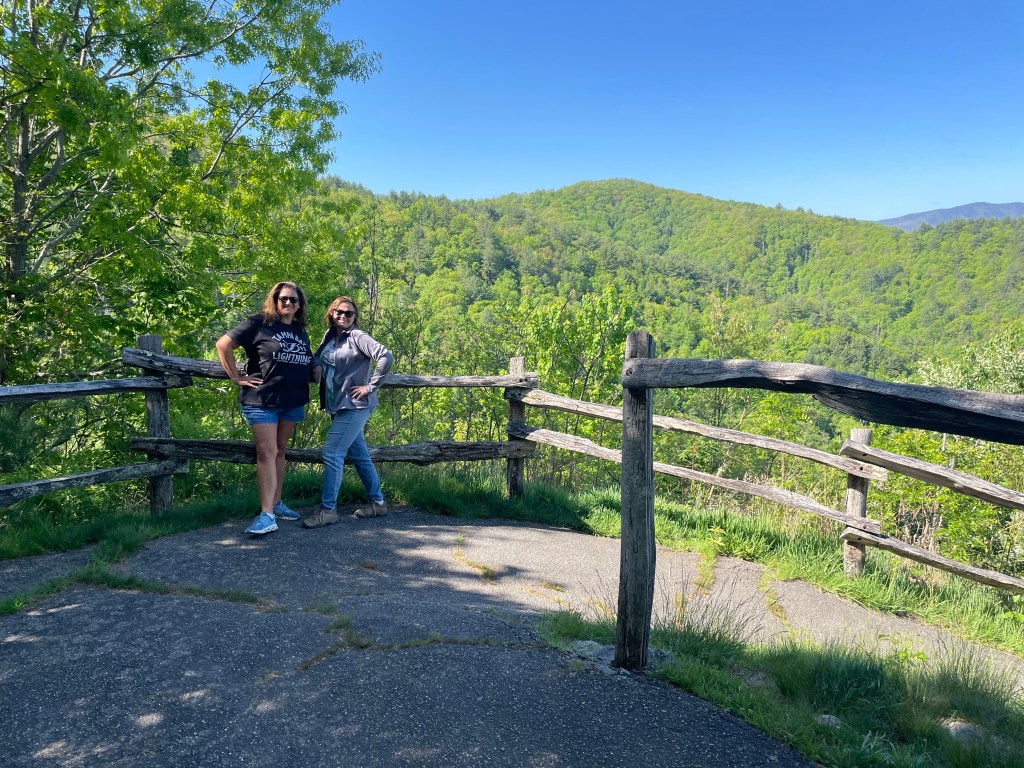
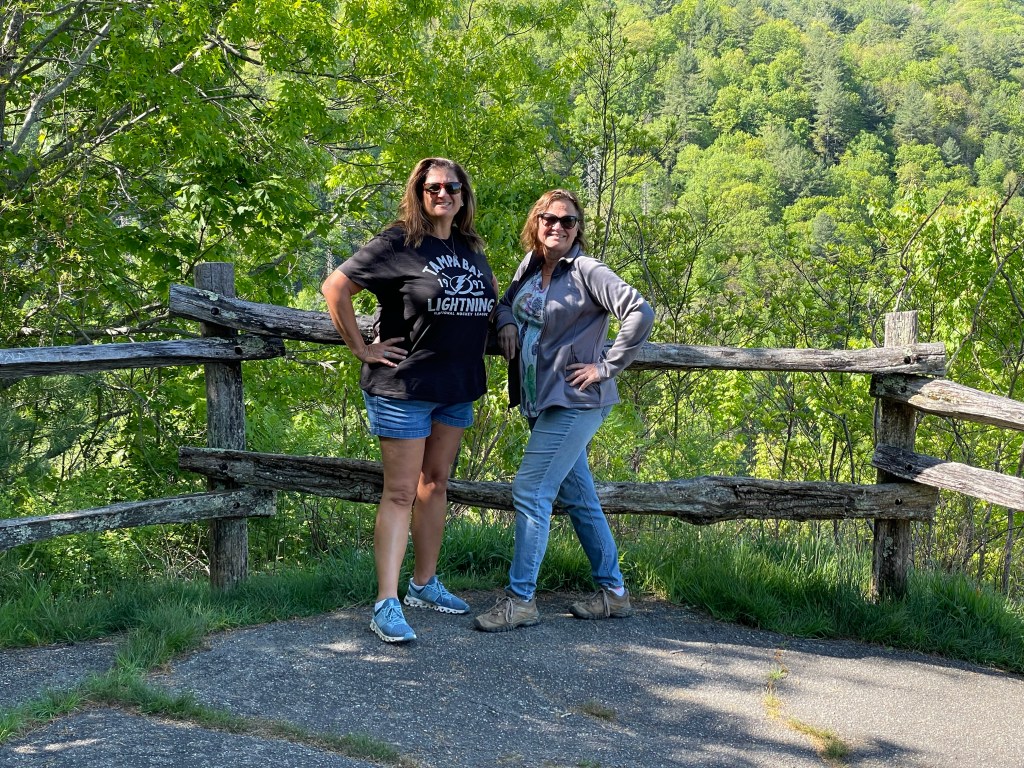
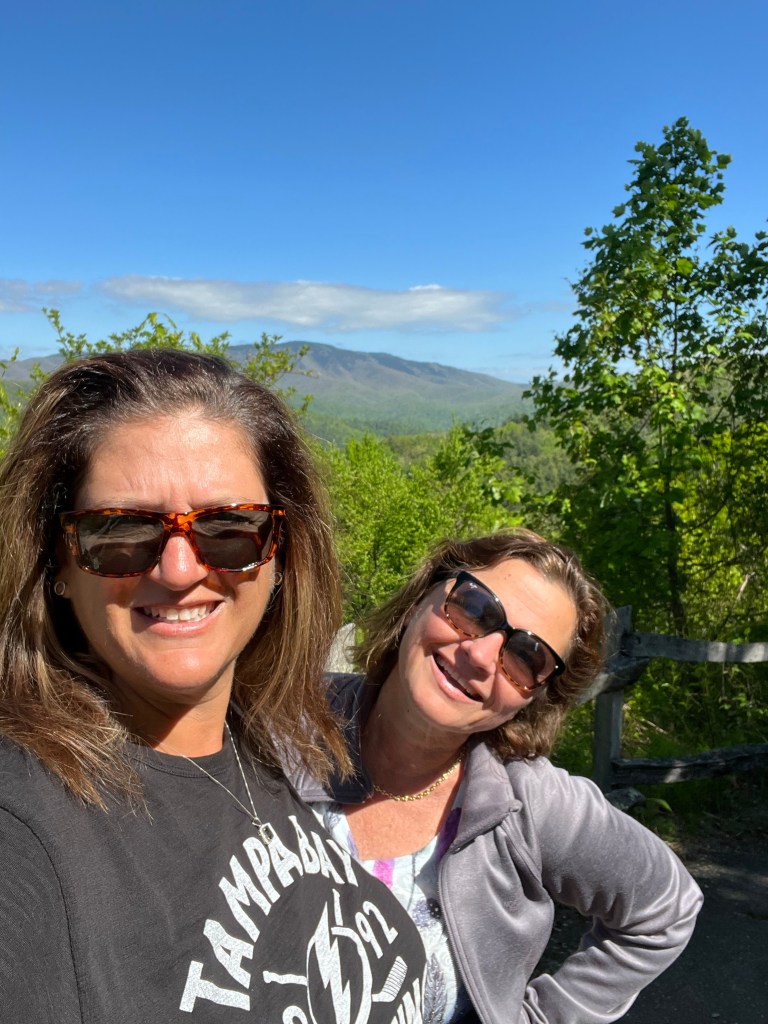
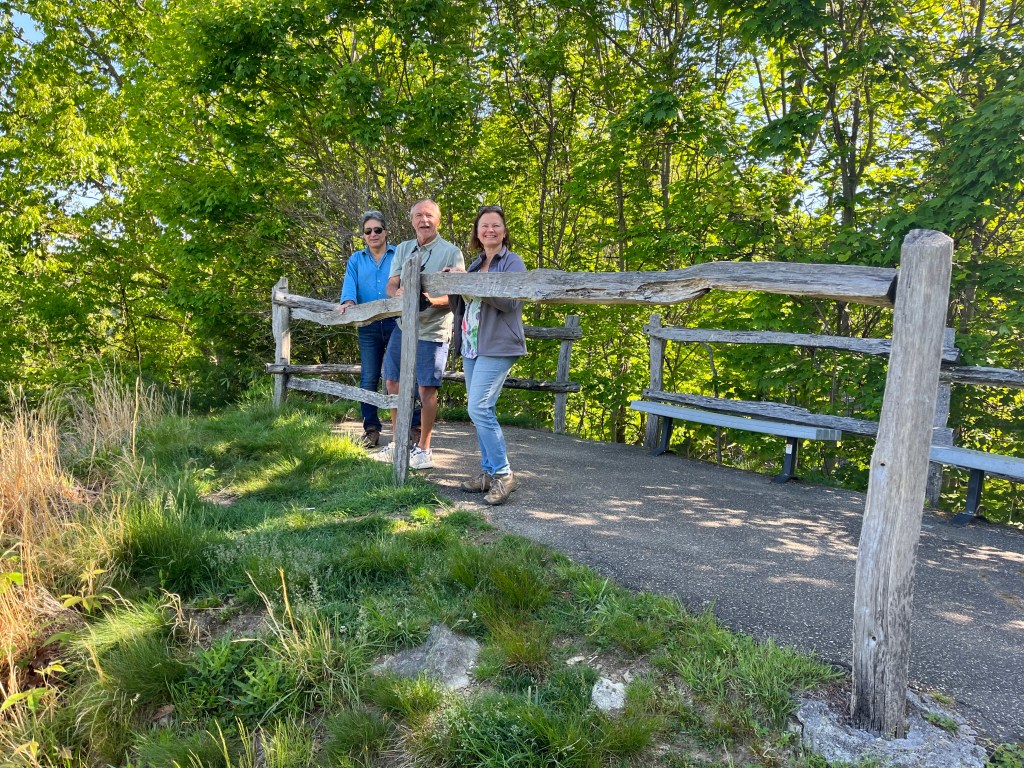
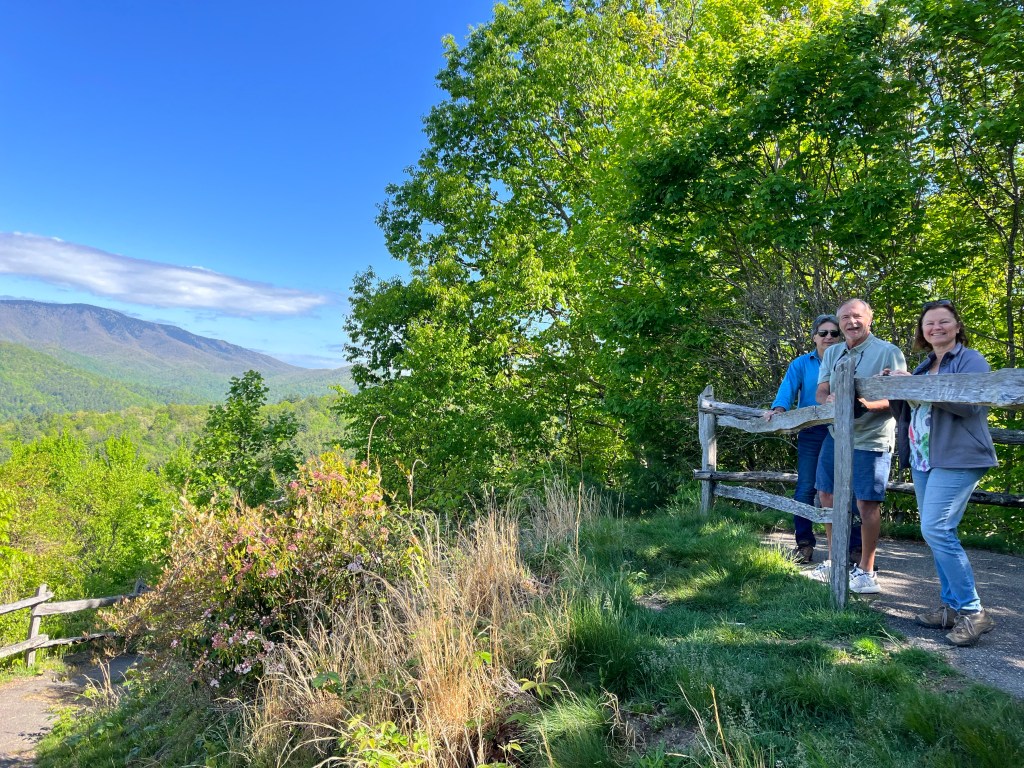
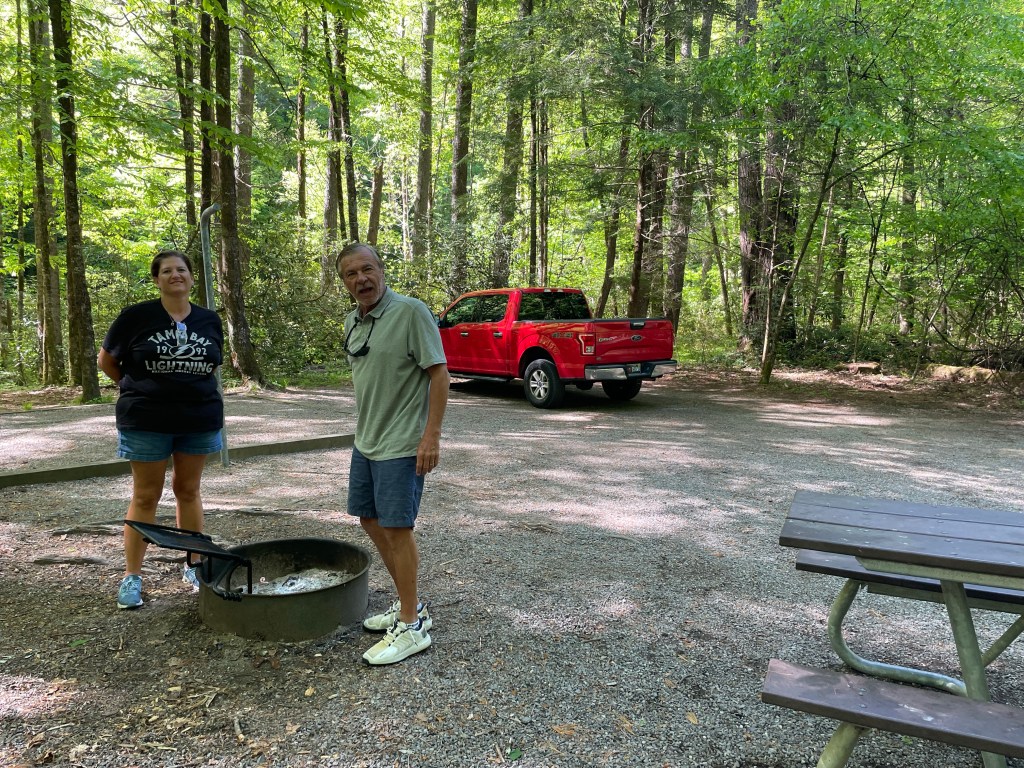
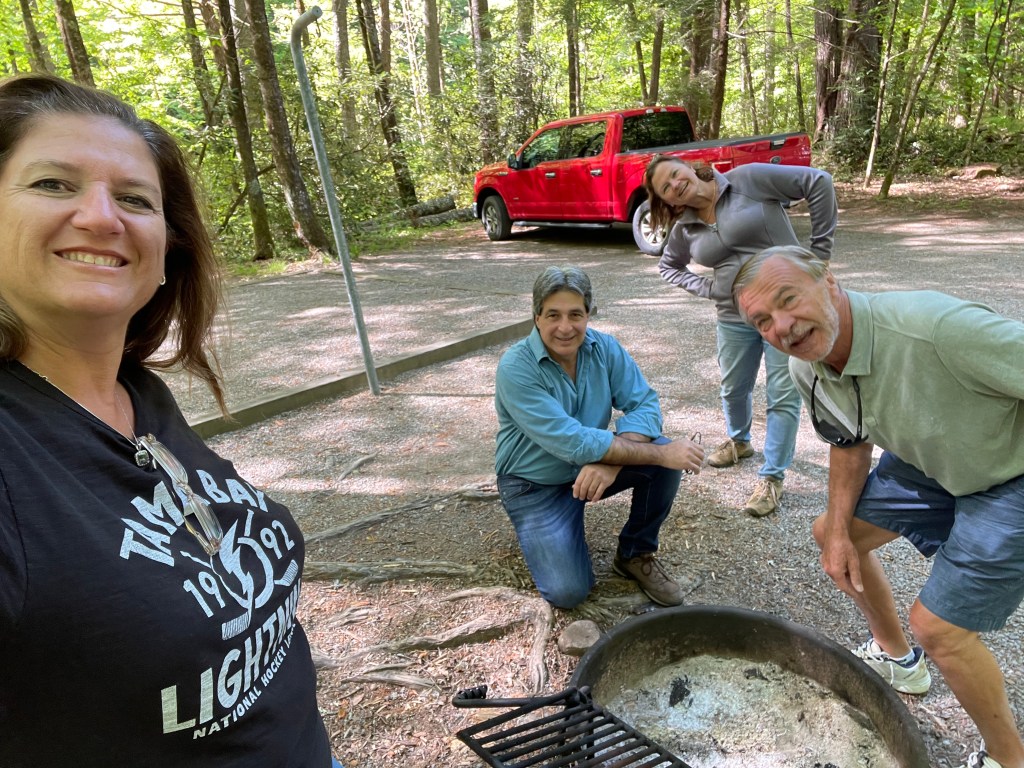
It wasn’t long before we found the Cataloochee campsite. It’s right next to a beautiful creek and several hiking paths.
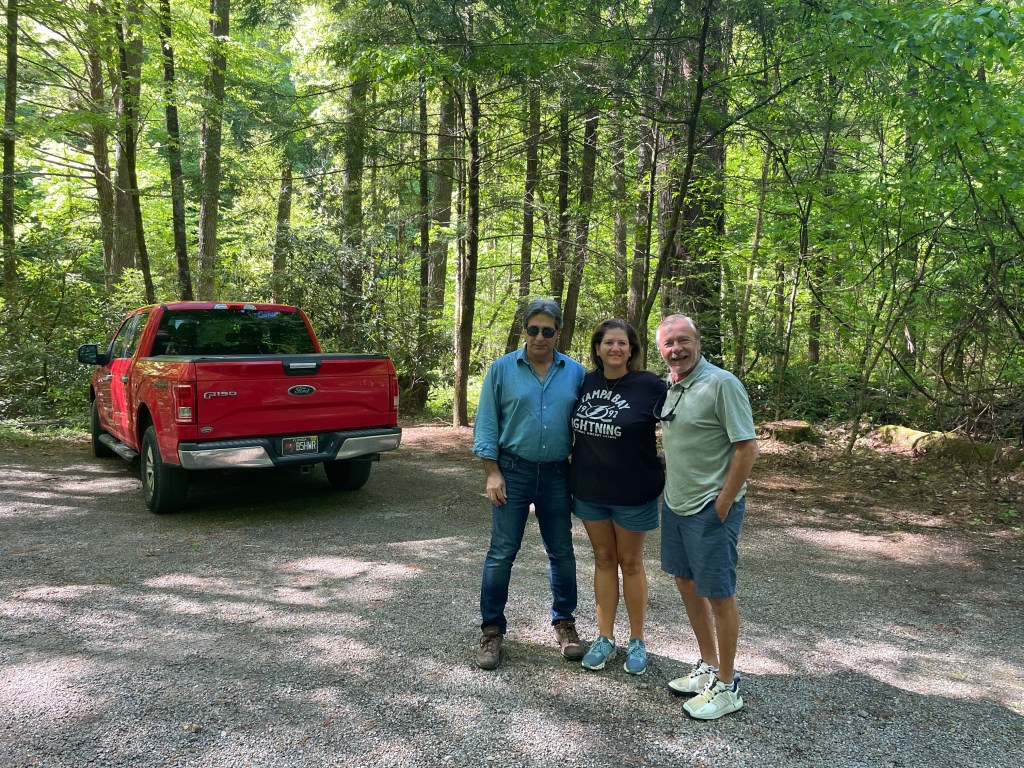

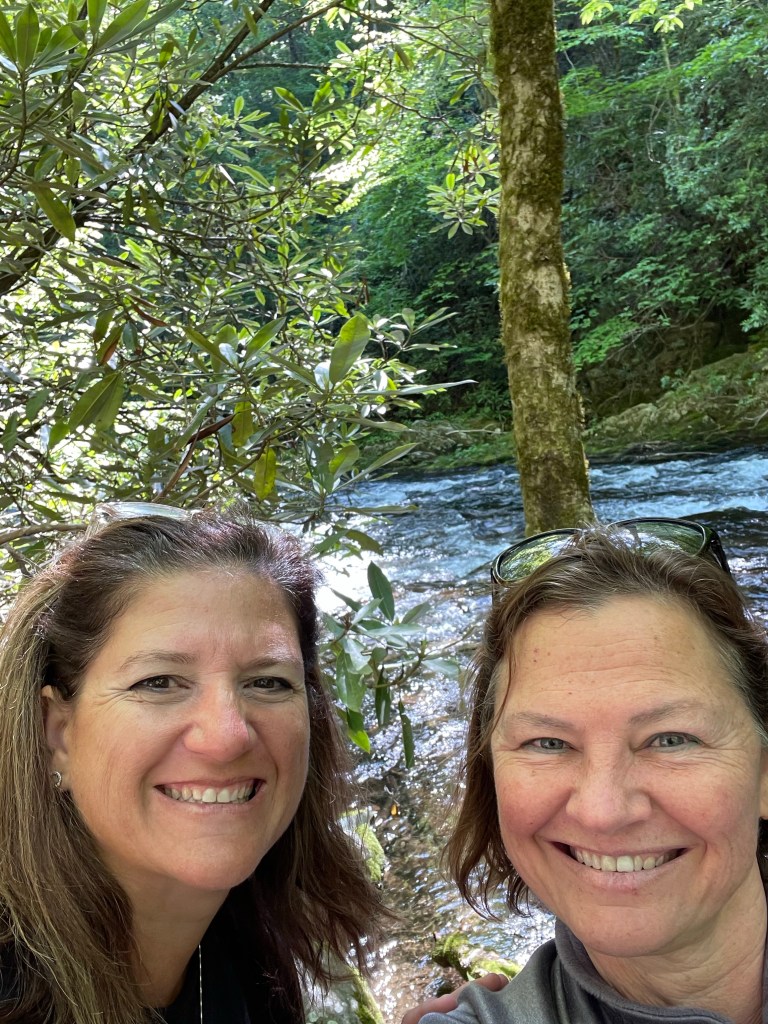
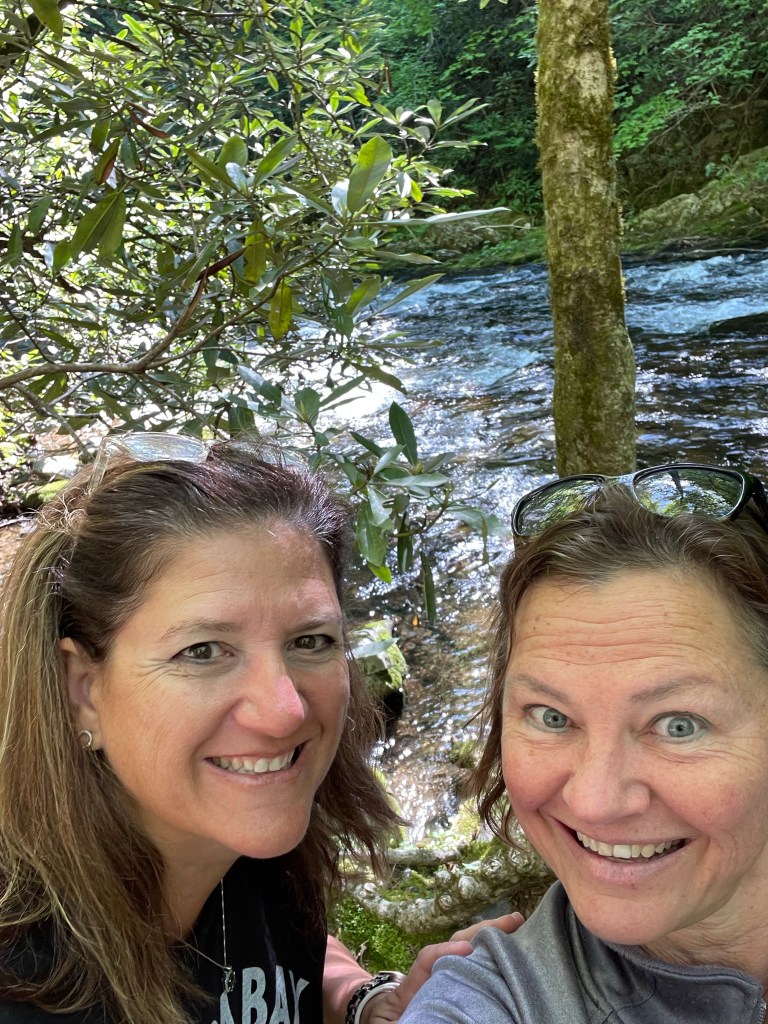
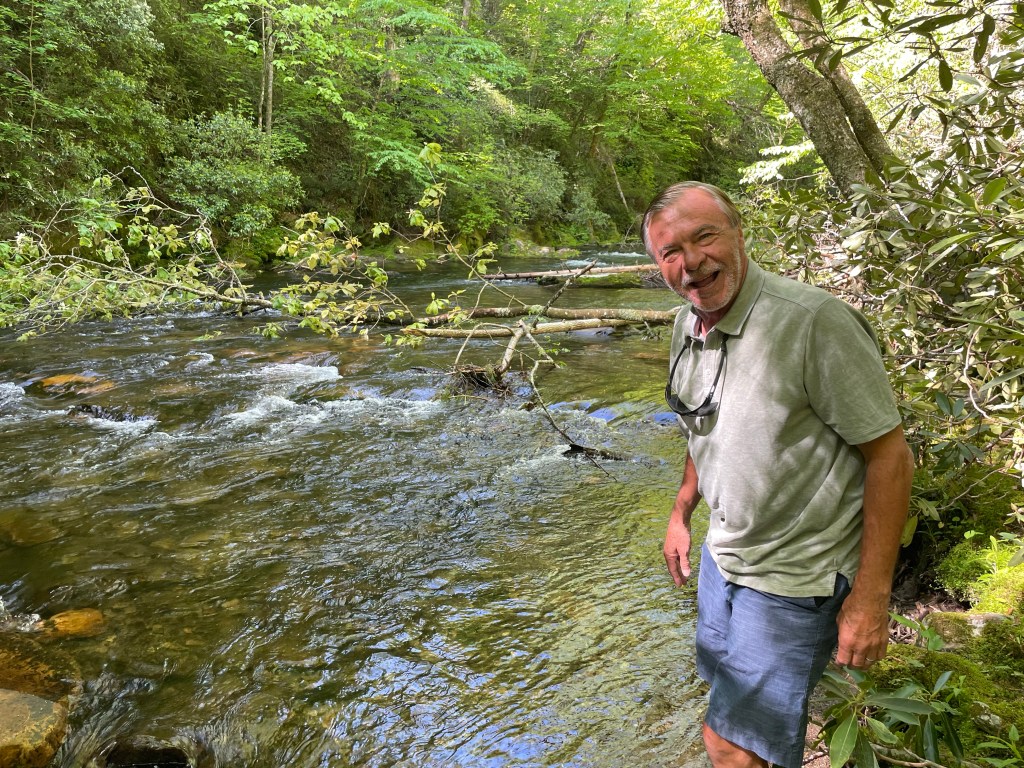
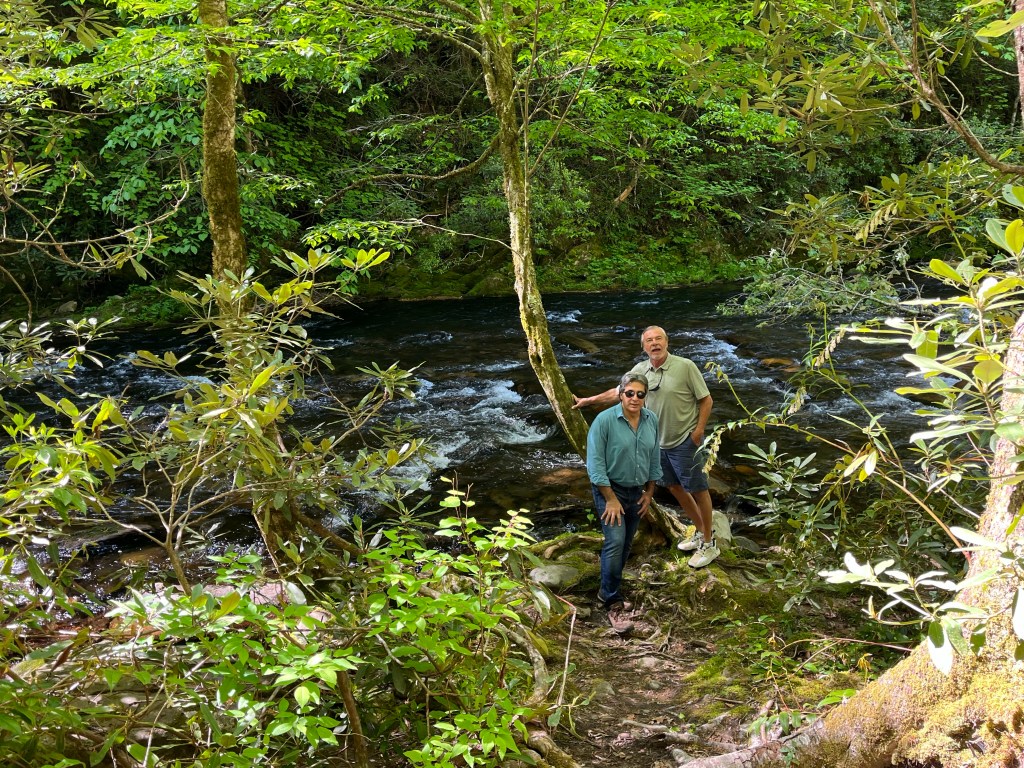


We searched for elk but didn’t find any. We saw some through the trees but couldn’t make them out that well. The elk were reintroduced to this land in 2001 when the parks department released a heard and that successfully repopulated the elk here in the Great Smoky Mountains National Park.
We went on to visit some of the structures still standing from the settlement that was once here.
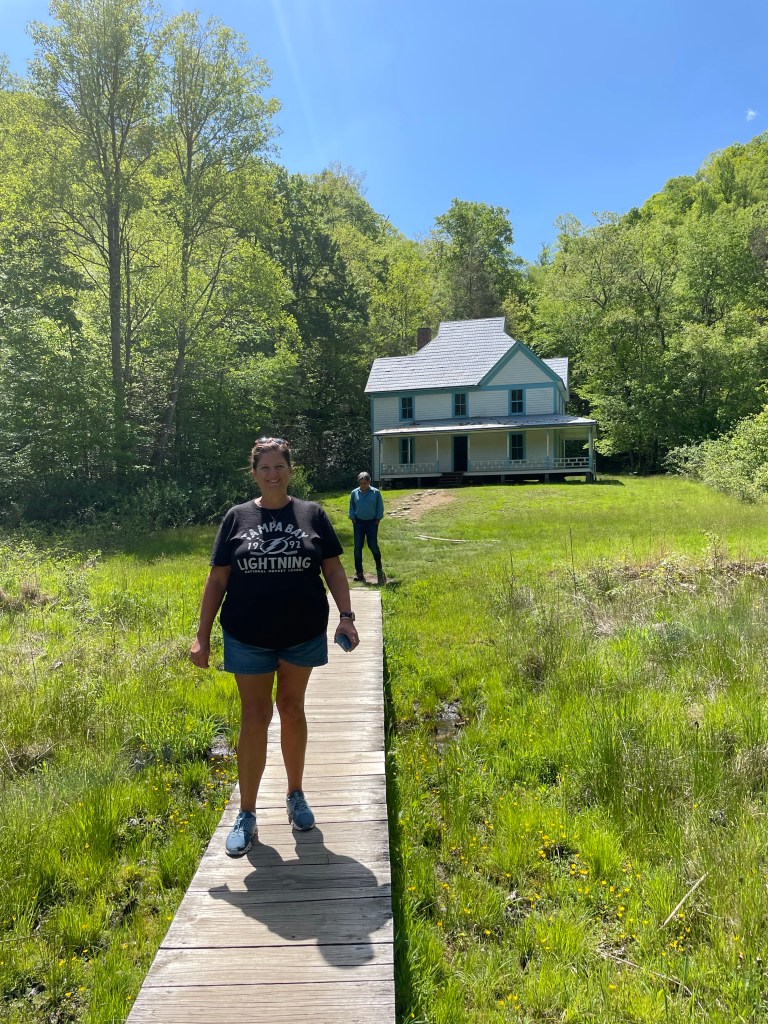
This first one was the Caldwell house. Cataloochee Valley contains a number of old homes that you can still see and walk through. All built in the late 1800s. The Caldwell house was built by Hiram Caldwell in 1898 – 1903.
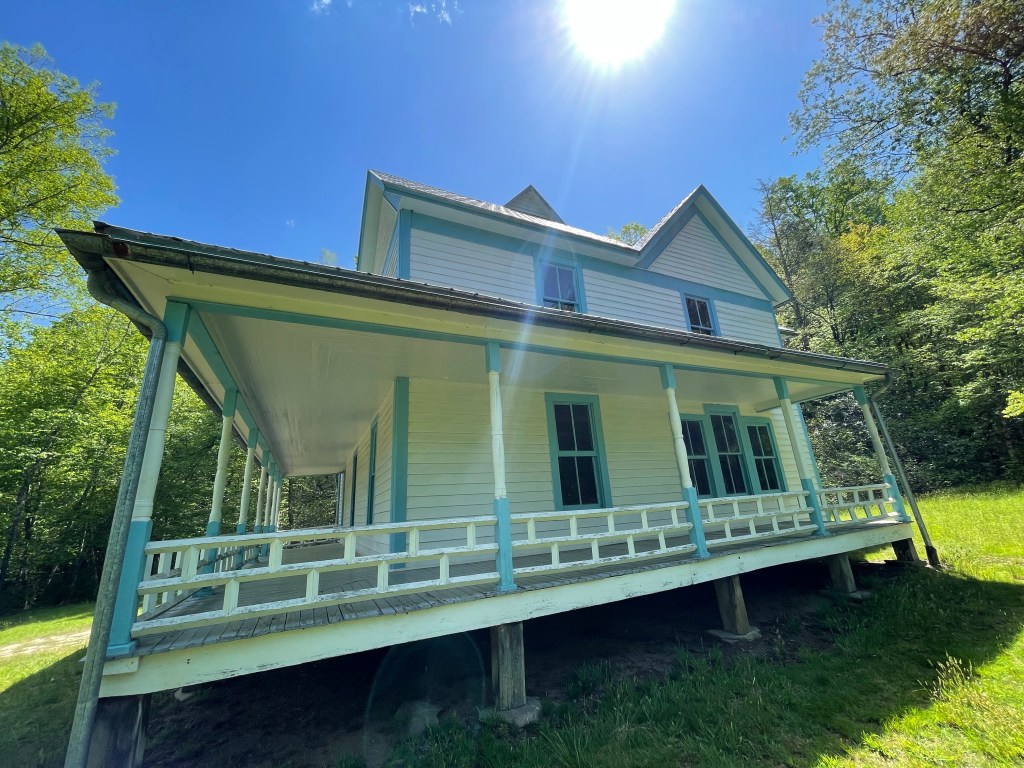

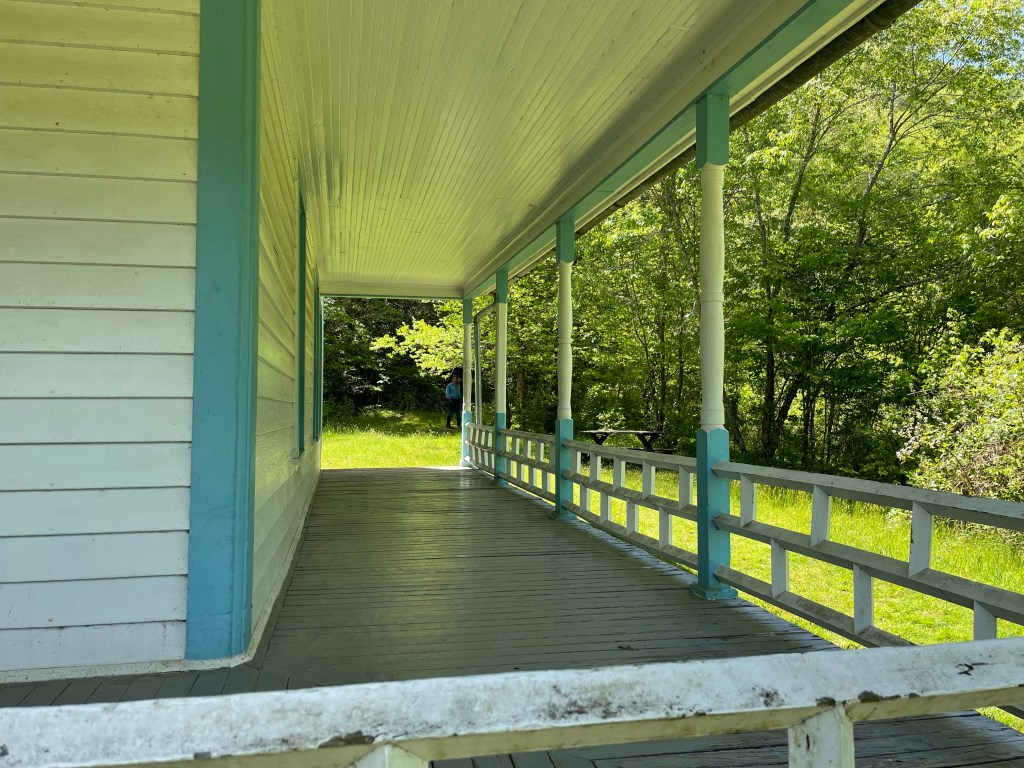

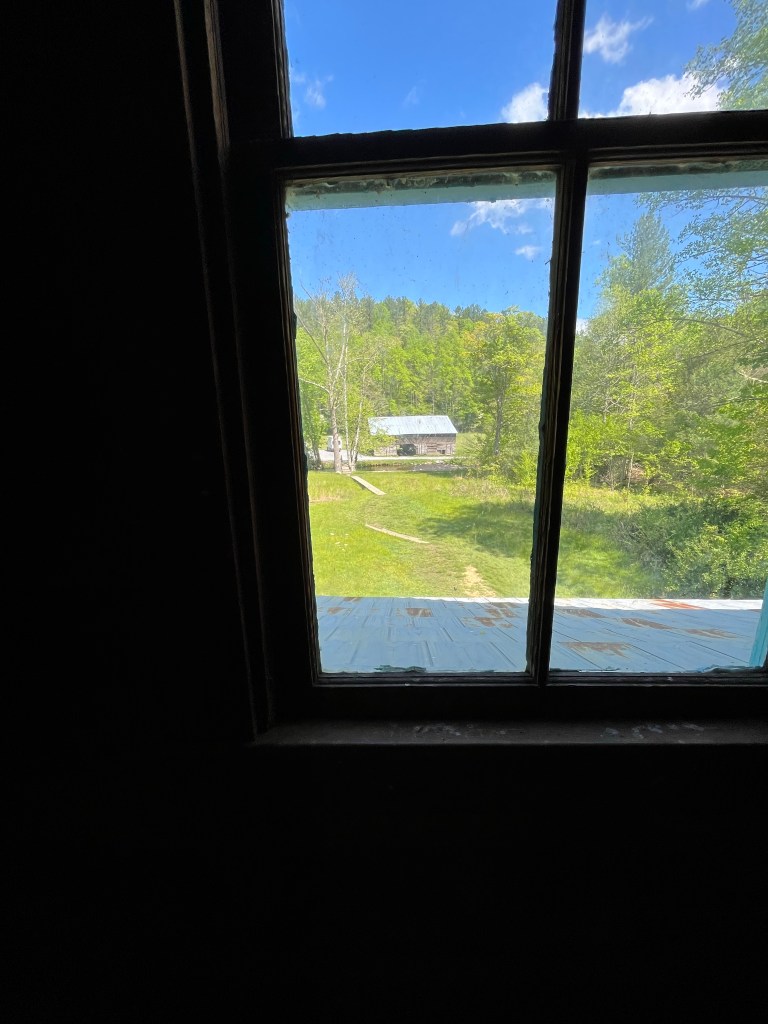
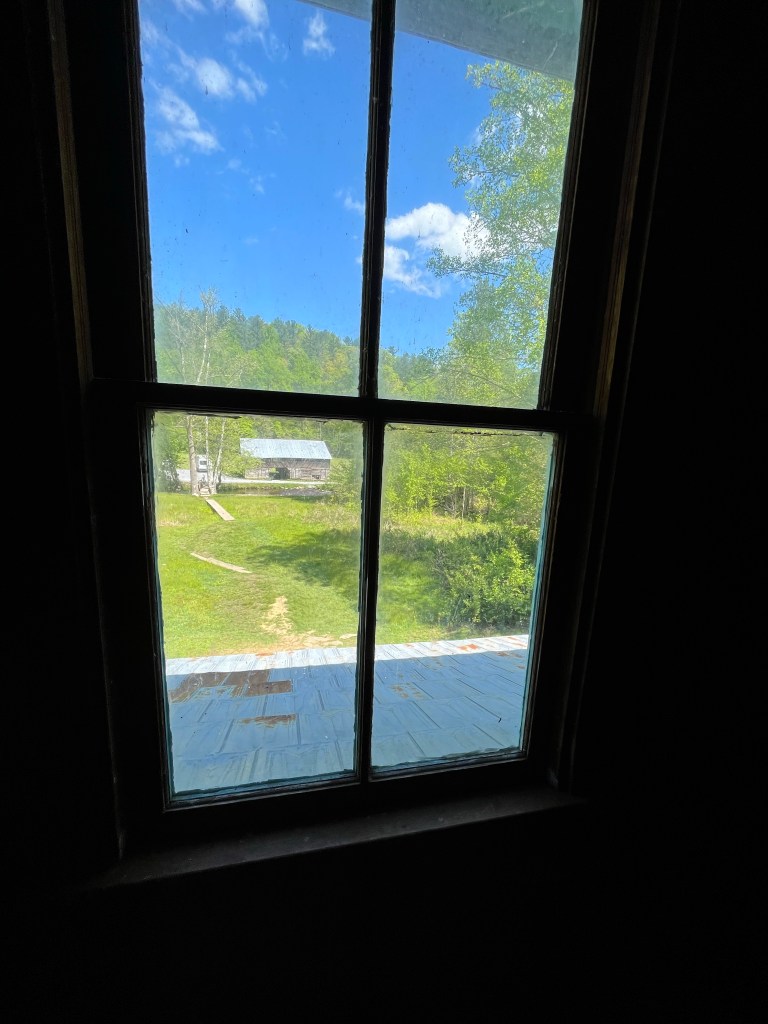
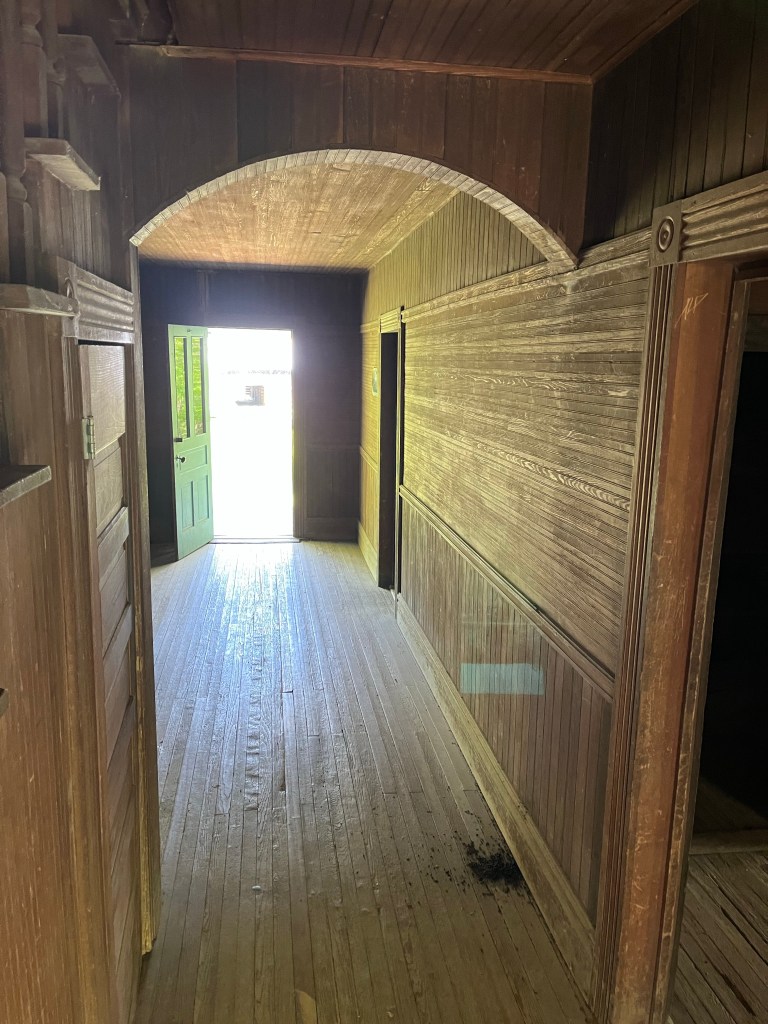
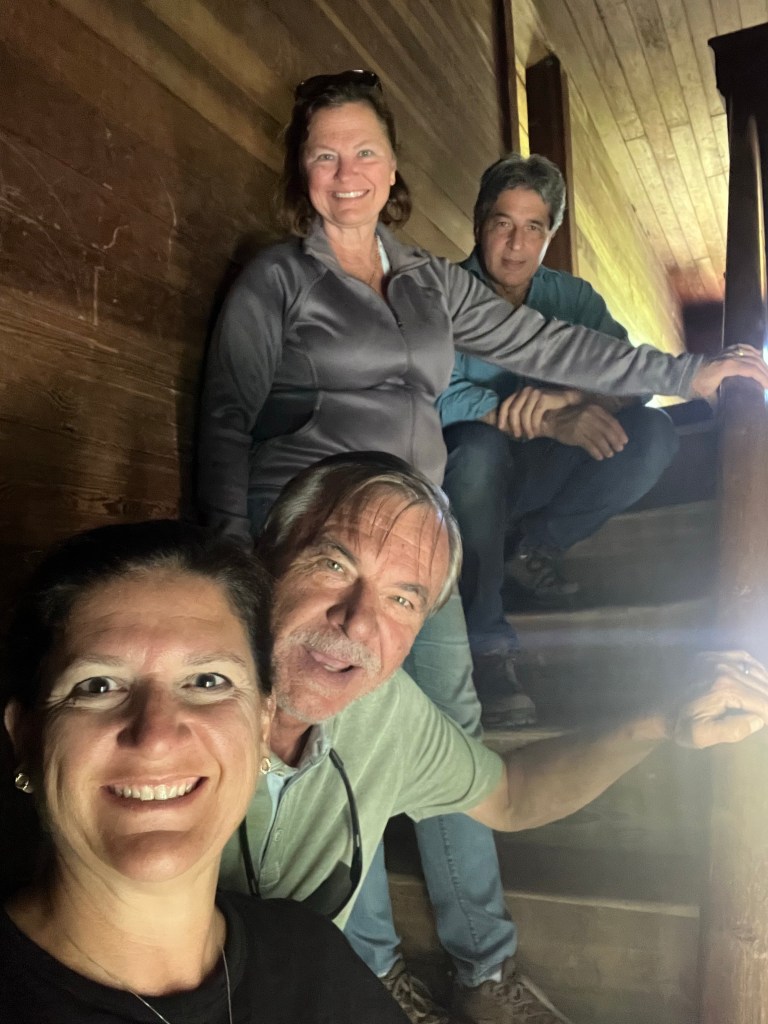
Cataloochee Valley also contains historic churches, a schoolhouse, and a number of old barns and outbuildings.
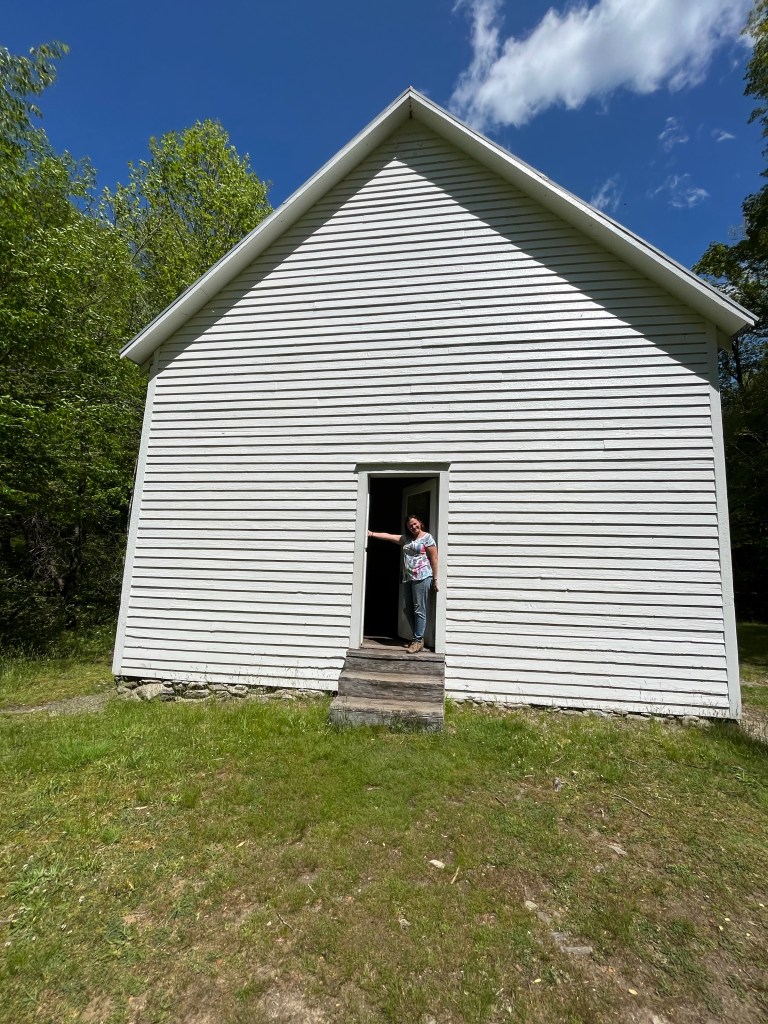

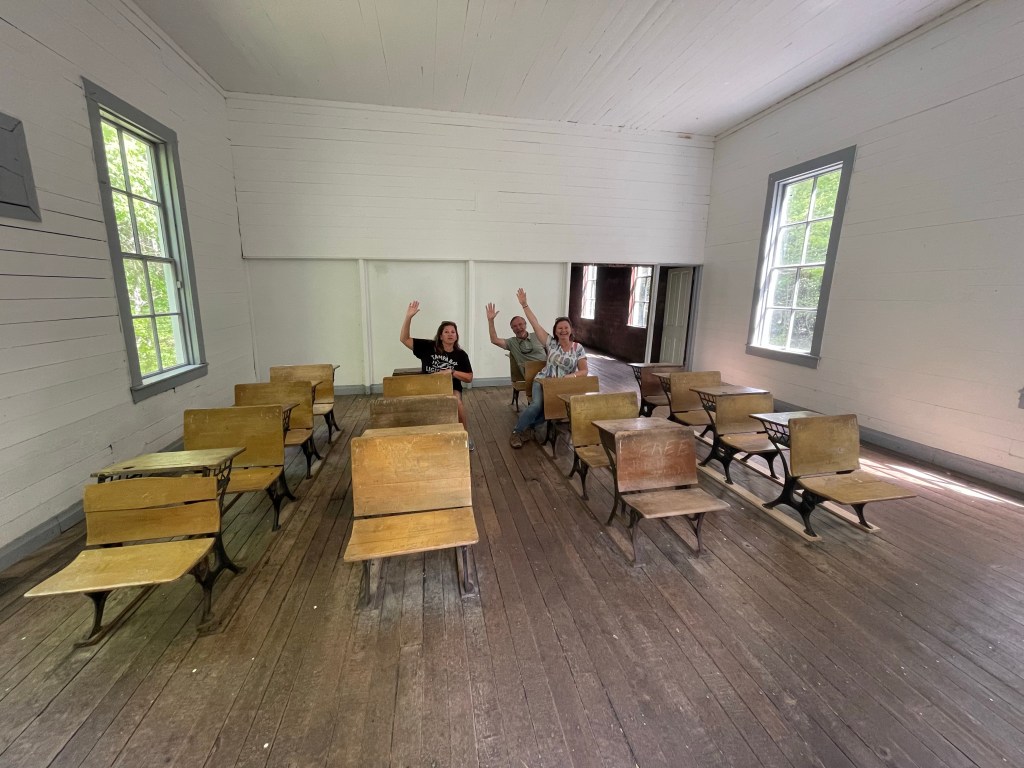
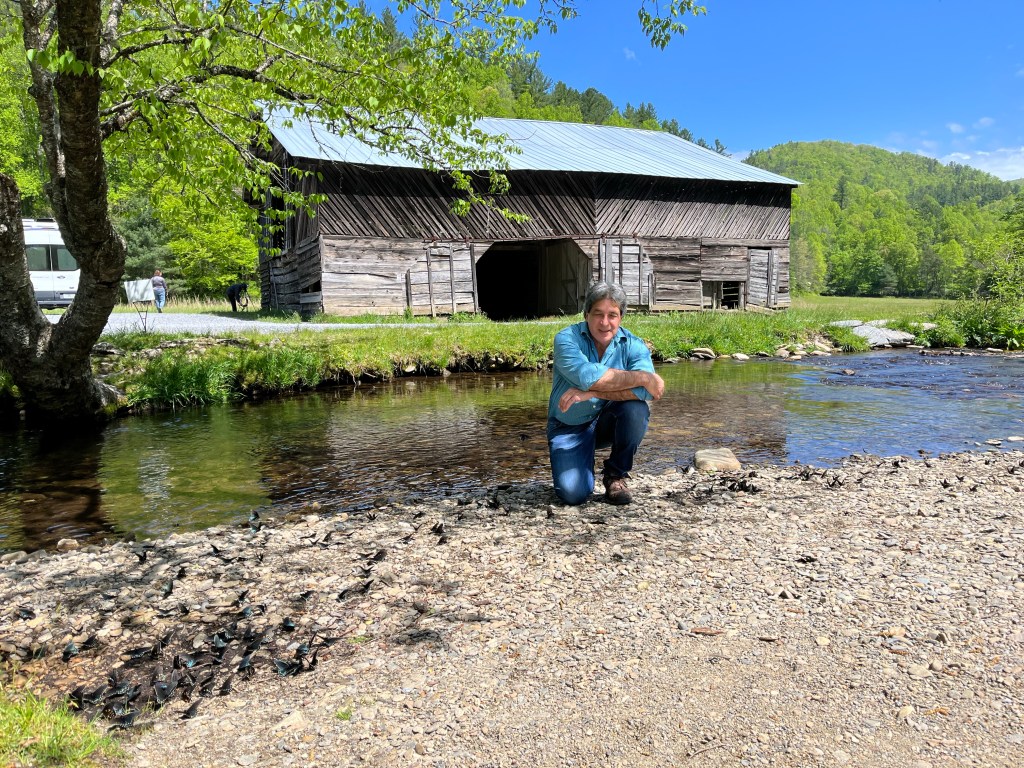
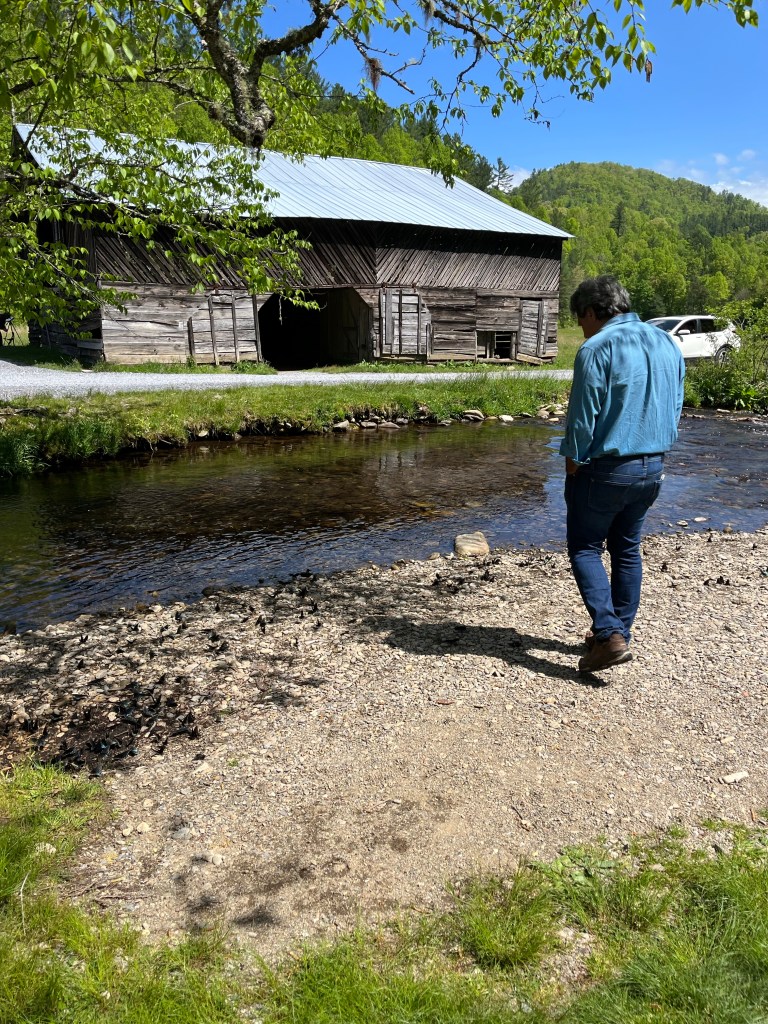
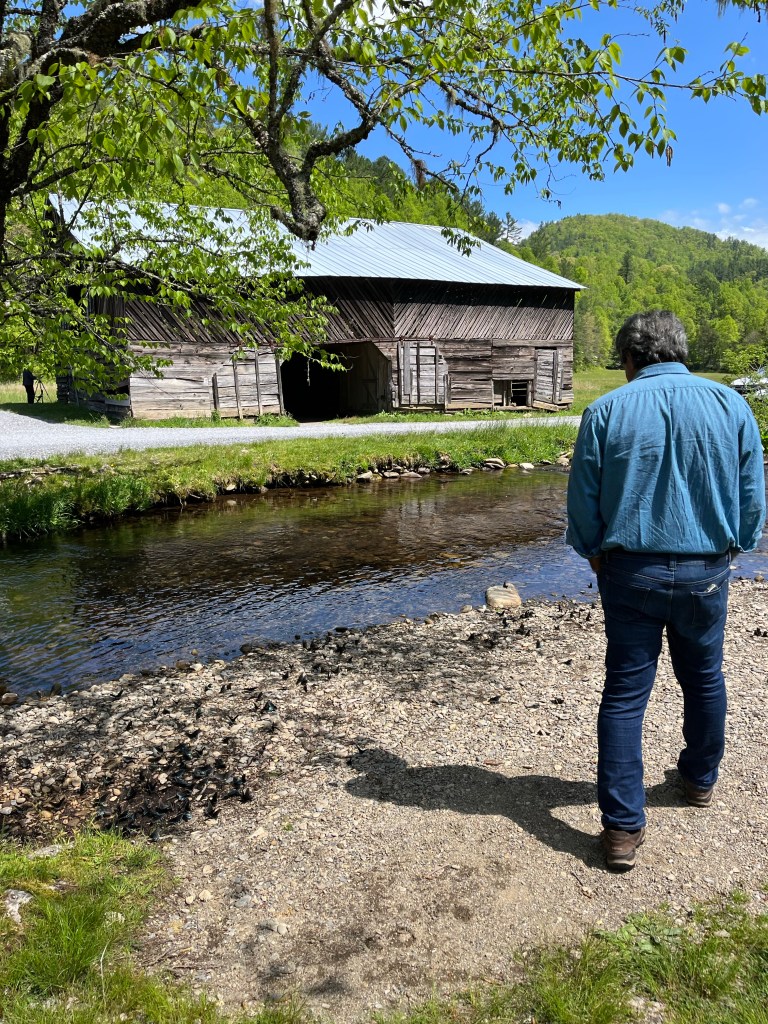
Cataloochee was a truly remote, and self-sustaining Appalachian Community. Families raised animals, hunted, farmed, and had fruit orchards. Spring houses and home storage areas were used to keep food products and canned goods to use during the winter. They were also traders, often trading with nearby communities and even the Cherokee Indians. Cataloochee was true country living, and far more difficult than we know country living today. At its peak there were 1,200 residents in the Bog and Little Cataloochee areas by 1910. 
Once we got back to the house Linda and I decided to take a trip in to Waynesville for some shopping. It’s hard not to drive around these parts and not sing about country!
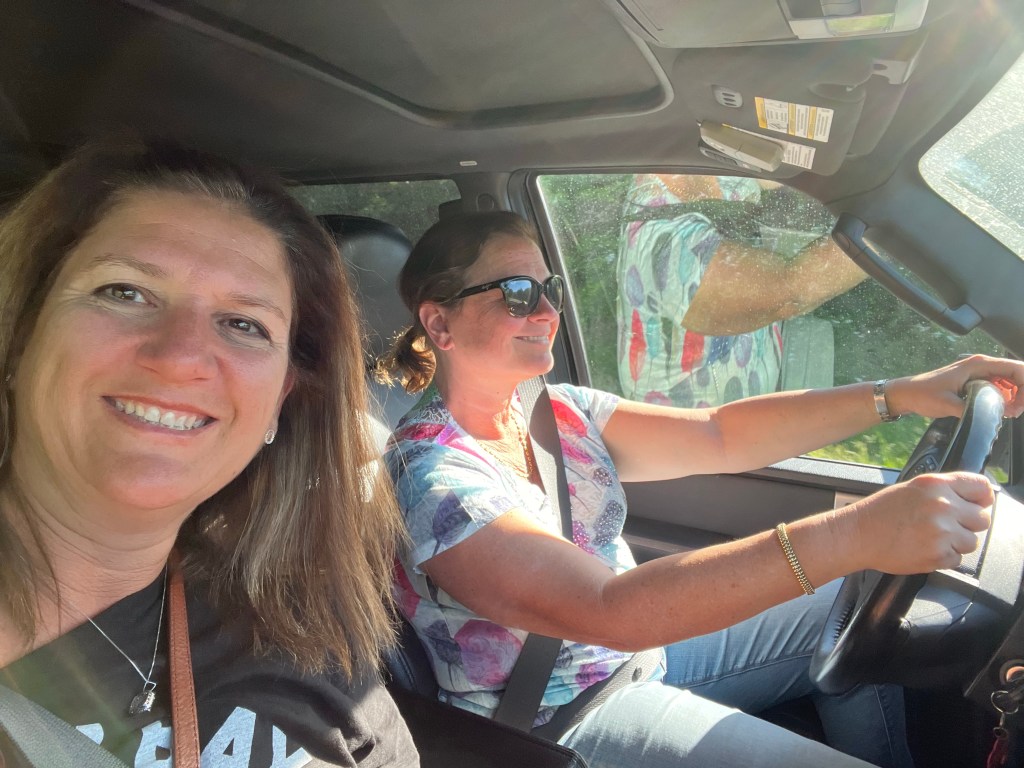

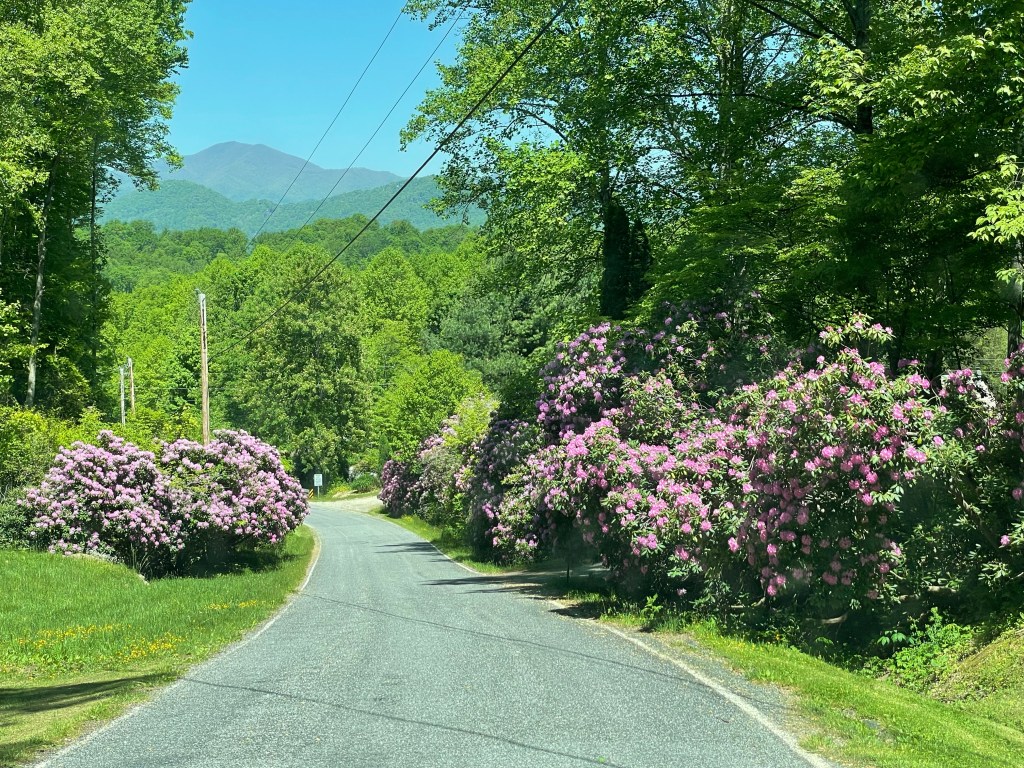


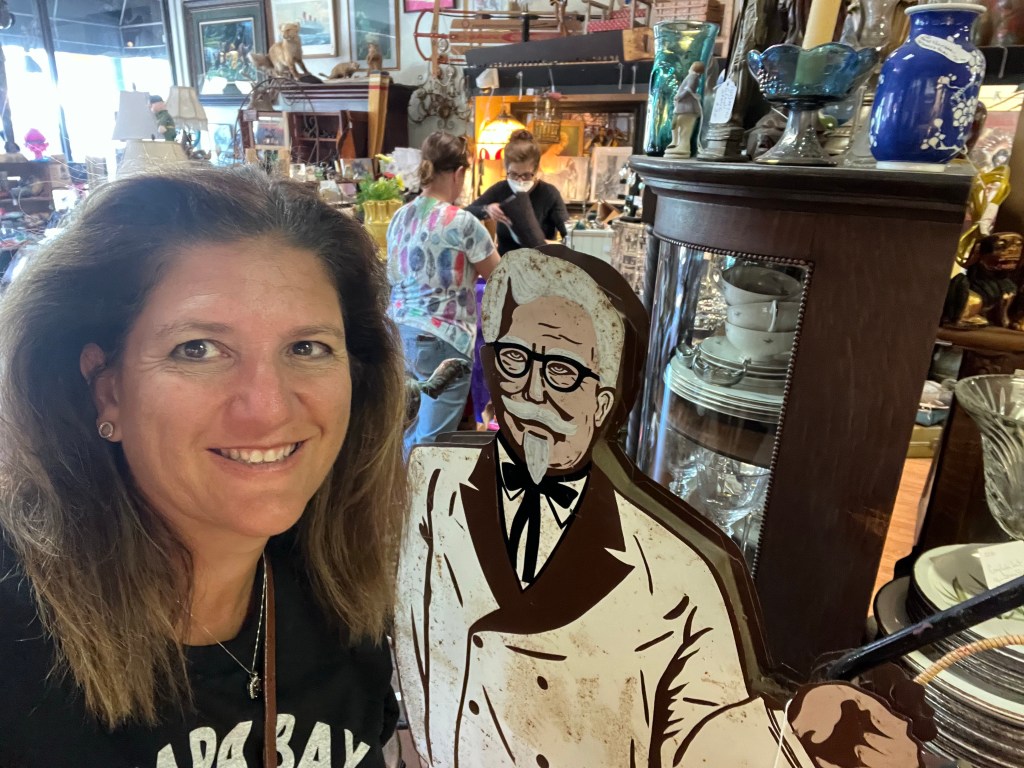
She found a great vase in this antique store. I found Col. Sanders
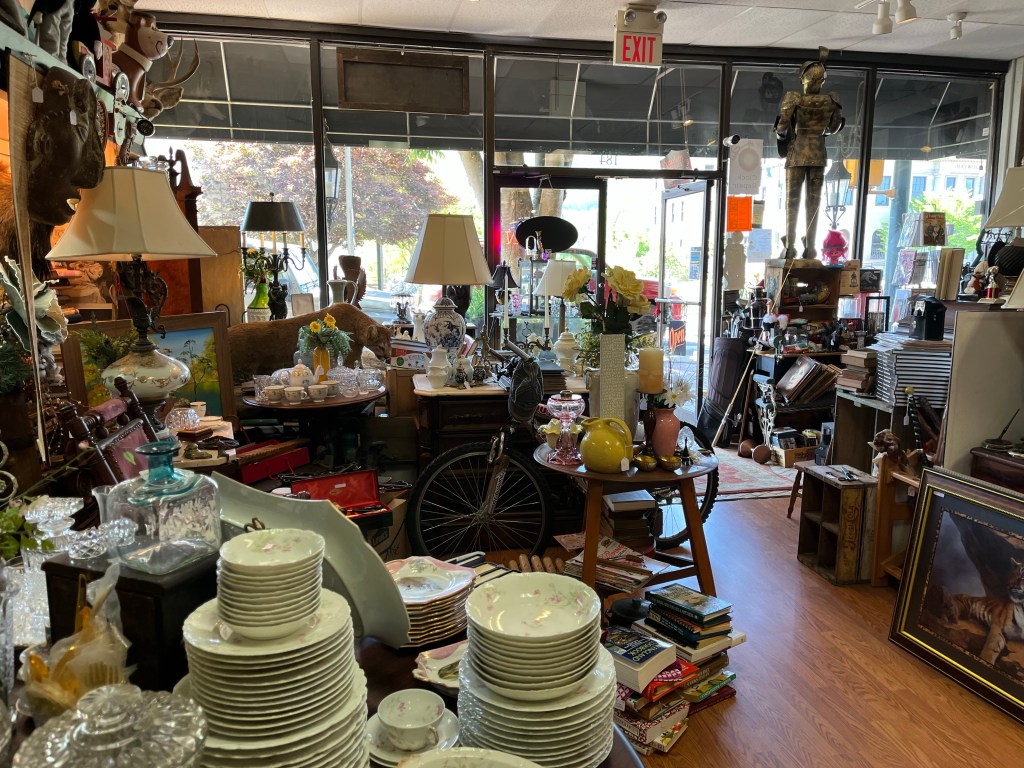
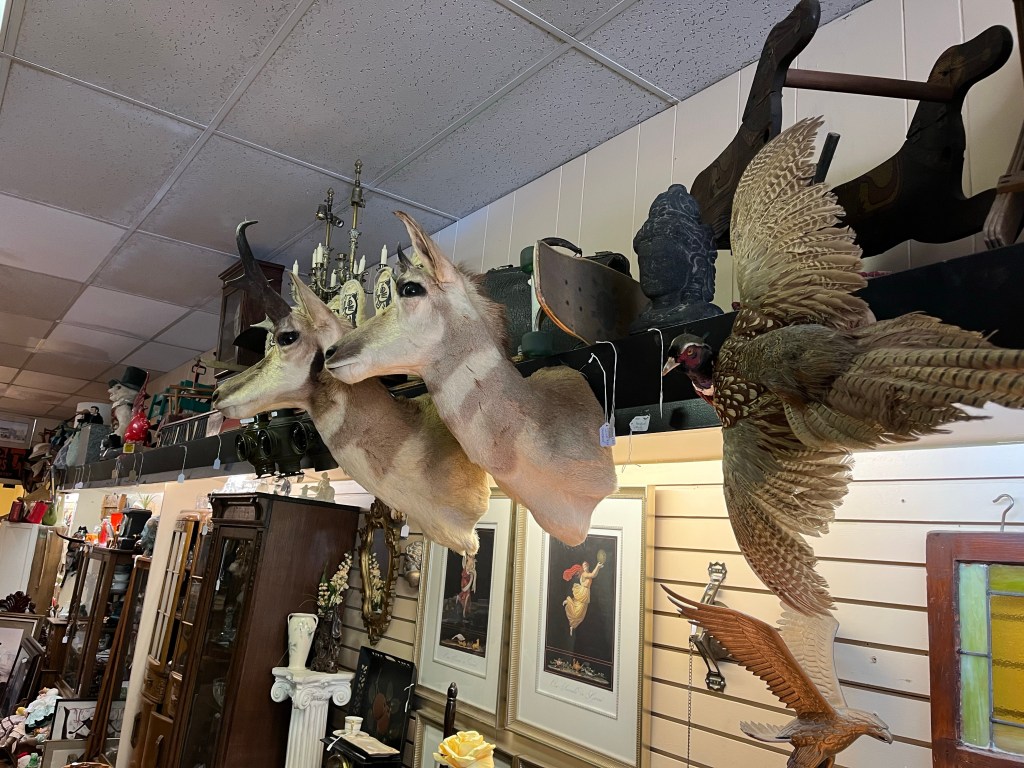
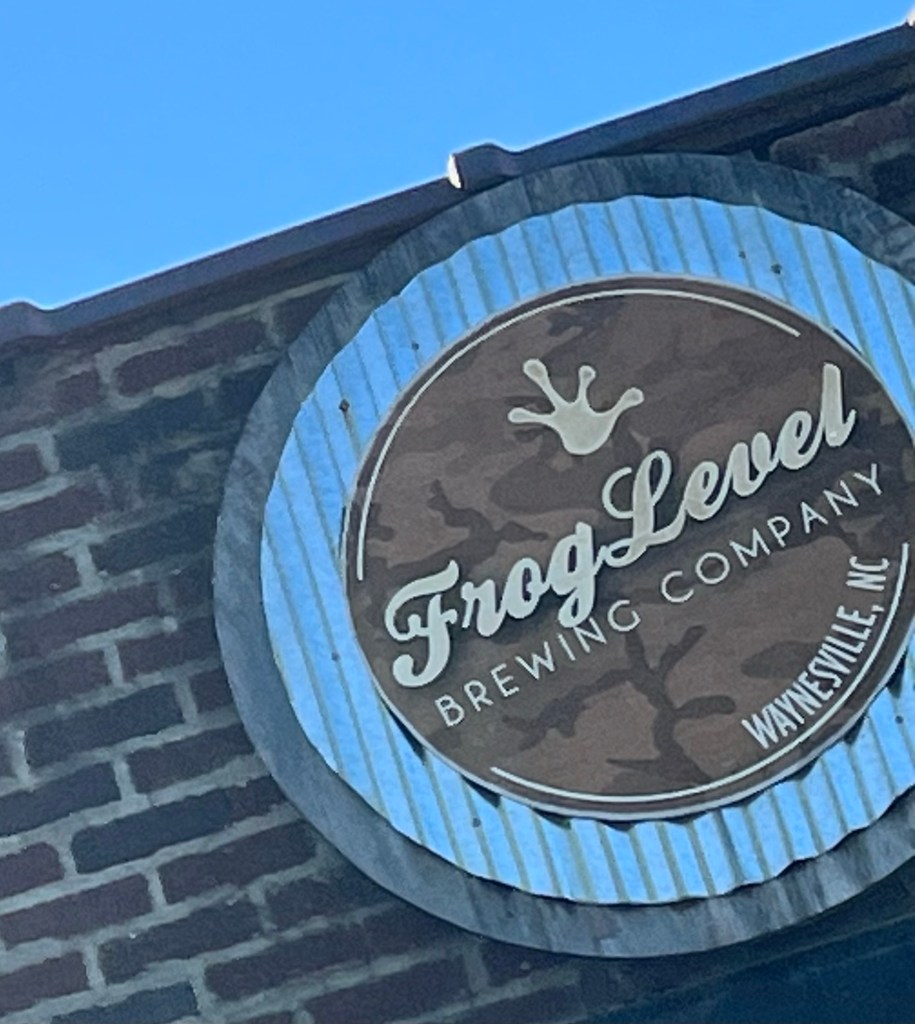
Then we met the boys for a few beers at this cute brewery. We sat by a creek – sad I didn’t take a picture!

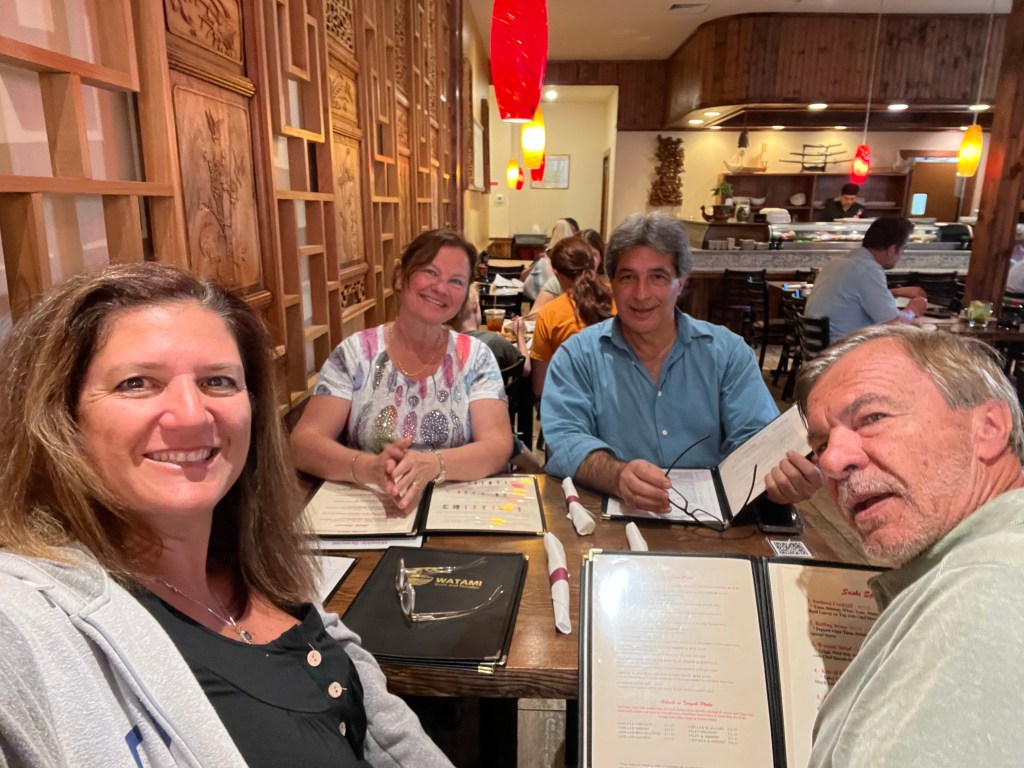
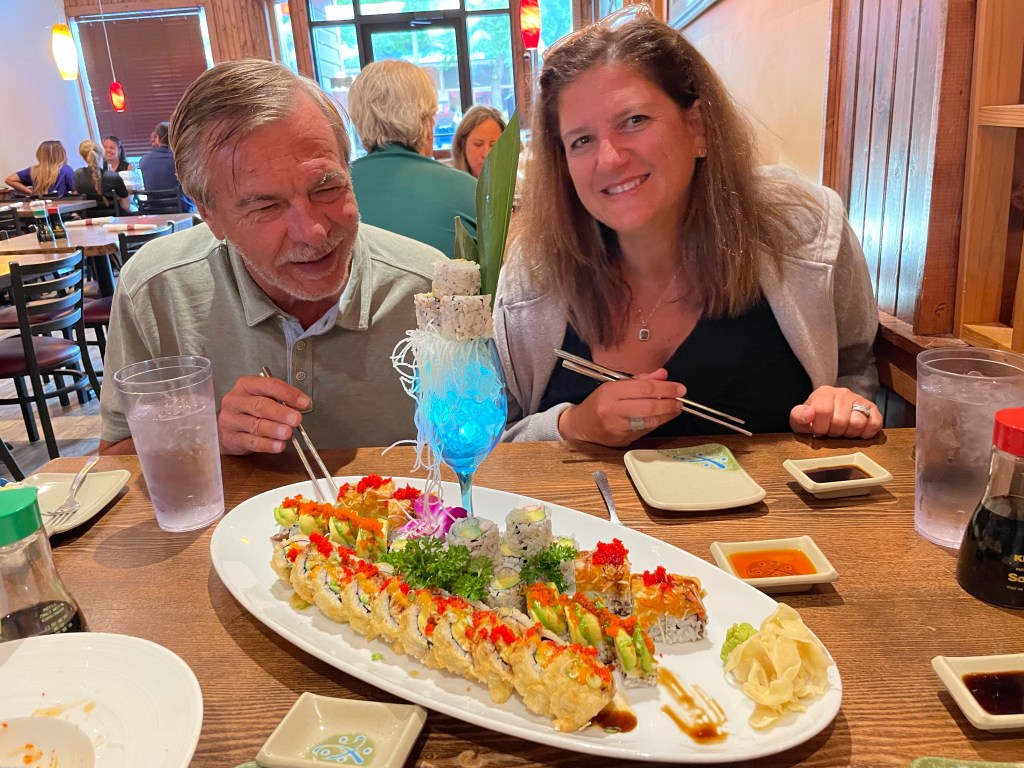
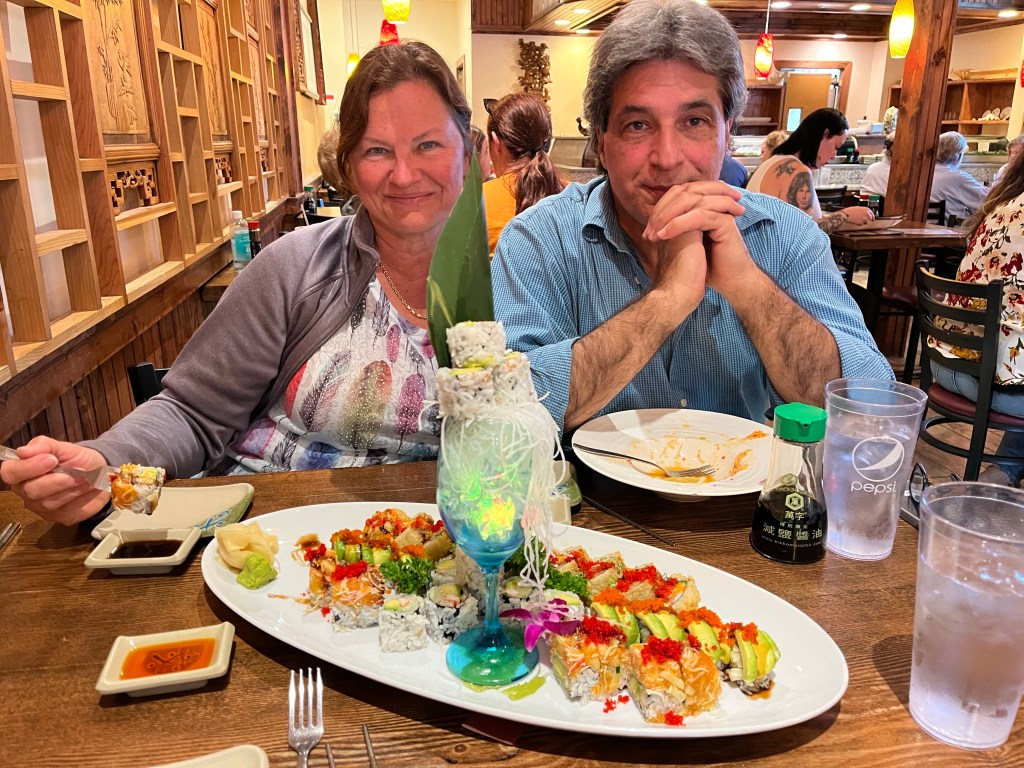
Next up was sushi for dinner! Best sushi I’ve had in a while!


 olivemywhiskey's Blog